




Optimizing IP address management (IPAM) is a critical aspect of network administration to ensure the efficient and secure operation of networks.
What is IP Address Management?
IP address management (IPAM) is the process of tracking and managing IP addresses on a network. Every device connected to the internet or a local network requires an IP address to function. Without proper IP address management, it can be difficult to locate devices, prevent IP address conflicts, and ensure network security.
The process of IPAM involves allocating , tracking, and management of IP addresses. It allows network administrators to control access to devices on the network and prevent unauthorized access. IPAM also ensures that there are no IP address conflicts that can result in network downtime or decreased productivity.
How to Achieve Optimizing IP Address Management?
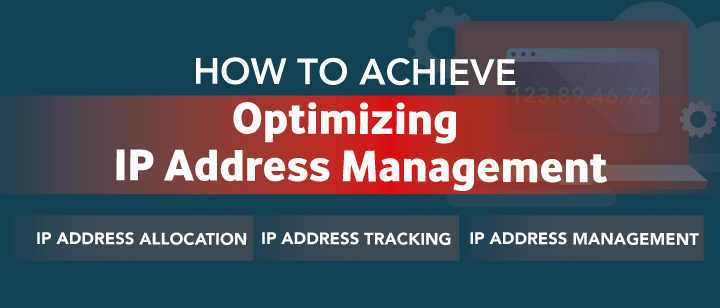
There are various tools available for IP address management, including software solutions that automate the allocation of ipv4 and tracking of IP addresses. These tools can help network administrators to manage IP addresses efficiently and accurately.
The IP address management solutions involve several steps:
IP Address Allocation
IP addresses are allocated to devices on the network based on their requirements. This involves assigning static IP addresses to servers, routers, and other critical devices, while using DHCP to assign IP addresses dynamically to other devices.
IP Address Tracking
IP addresses are tracked to ensure that each device has a unique IP address. This involves monitoring IP addresses in use and identifying any conflicts that may arise.
IP Address Management
IP addresses are managed to ensure that they are used efficiently and that there is enough address space to support future growth. This involves reclaiming unused IP addresses, allocating address space based on requirements, and planning for future growth.
IP Address Management Best Practices
IP Address Management Best Practices included:
Centralizing IP address management
One of the most important strategies for Optimizing IP address management best is to use a centralized IP address management solution. This will help ensure consistency and accuracy in tracking IP addresses across the network. A centralized IPAM solution will allow you to manage IP addresses from a single location, making it easier to troubleshoot and manage the network.
Planning for growth
It is important to plan for future growth when it comes to Optimizing IP address management. This involves setting aside IP address space for future use. By doing this, you can prevent IPV4 address exhaustion and the need for renumbering, which can be a time-consuming and disruptive process.
Documenting IP address usage
Keeping detailed records of IP address usage is another important IP address management best practice. This includes documenting who is using each IP address and for what purpose. This information can be helpful for troubleshooting and auditing purposes, and can assist in ensuring that IP addresses are being used appropriately.
Use DHCP for dynamic IP address assignment
Dynamic Host Configuration Protocol (DHCP server) is a protocol used to assign IP addresses dynamically to devices that do not require a static IP address. Using DHCP can help simplify IP address management, as it allows you to automatically assign and manage IP addresses for devices on the network.
Subnetting
Subnetting is the process of dividing a large network into smaller, more manageable subnets. This can help improve network performance and security, as it allows you to segment the network and control traffic flow. Subnetting can also help to reduce IP address conflicts and make it easier to manage IP addresses.
Implement IP address security
Implementing security measures to protect against unauthorized access to IP addresses is another important IPAM best practice. This includes using access controls, firewalls, and intrusion detection systems to ensure that only authorized devices are able to access IP addresses.
Regularly audit IP address usage
Regularly auditing IP address usage is a critical aspect of IP address management. This involves periodically reviewing IP address usage to ensure that IP addresses are being used appropriately and that there are no unauthorized devices on the network. This can help prevent security breaches and ensure the efficient operation of the network.
Why is Optmizing IP Address Management Important?
you Optmizing IP Address for:
Efficient network operation
Efficient network operation is one of the main reasons why IP address management is important. IP addresses are the unique identifiers used to locate devices on a network. Without proper IPAM, it can be difficult to locate devices, which can result in network downtime and decreased productivity. By properly managing IP addresses, you can ensure that devices are easily located and that the network operates at peak efficiency.
Optimum Security
IP address management is also important for network security. IP addresses are used to identify devices on a network, and unauthorized access to those devices can be a serious security threat. By properly managing IP addresses, you can control access to devices on the network and prevent unauthorized access, which can help prevent security breaches.
Solving IP address conflicts
IP address conflicts can occur when two devices on the network have the same IP address. This can cause network issues, such as dropped connections and slow performance. Proper IPAM can help prevent IP address conflicts by ensuring that each device on the network has a unique IP address.
Scalability
IP address management is also important for network scalability. As a network grows, the number of devices on the network increases, which can make IP address management more complex. Proper IPAM can help ensure that IP addresses are allocated efficiently and that there is enough address space to support future growth.
Compliance
Many industries have regulations and compliance requirements that mandate proper IP address management. For example, the Payment Card Industry Data Security Standard (PCI DSS) requires proper IP address management to ensure the security of credit card data. By properly managing IP addresses, organizations can ensure compliance with these regulations and avoid costly fines and penalties.
In conclusion, Optimizing IP address management is an extremely important aspect to consider for having better network management and security.