





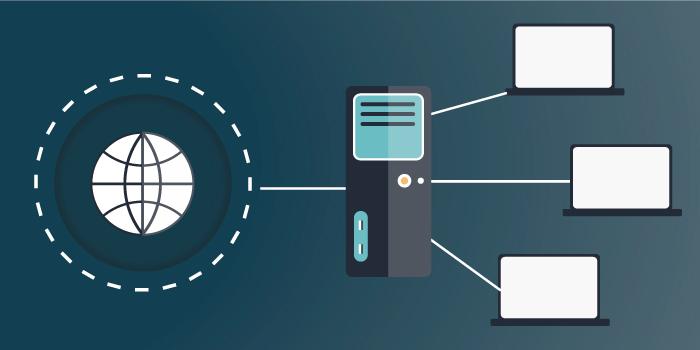
IPv4 (Internet Protocol version 4) is a protocol that is used to uniquely identify and communicate between devices on a network. It was first introduced in the 1980s and has since been used extensively in networks around the world. IPv4 is considered the most used version among all the internet protocols. That's why we have a deeper understanding of the nature of IPv4 Address and its Role in the Network.
IPv4 Address Structure
The IPv4 address format consists of 32 bits, and it is displayed in a dotted-decimal notation divided into four parts of eight bits, i.e., octets. Each octet is represented by a decimal number ranging from 0 to 255. In fact, 192.168.1.1 is a valid IPv4 address example.
The first part of the IPv4 address format identifies the network address, and the remaining part identifies the host address. The network address defines the network to which the host belongs, whereas the host address identifies the device on that network. The subnet mask helps to determine the network and the host addresses.
The IPv4 address format also includes reserved addresses for special purposes. These addresses cannot be used on regular networks and are used for private networks, loopback testing, and broadcast messages.
The private network addresses are used within a private network and are not routable over the internet. They include IP addresses such as 10.0.0.0, 192.168.0.0, and 172.16.0.0. Loopback testing addresses are reserved for testing network connections and are represented by the IP address 127.0.0.1. Broadcast messages are sent to all devices on a network and use the IP address 255.255.255.255.
IPv4 Address Exhaustion
Every device on a network is assigned an IPv4 address, which is a 32-bit number. The structure of IPv4 addresses allows for a total of only 4.3 billion unique addresses. However, due to the rapid growth of the internet and the proliferation of connected devices, the number of available IPv4 addresses has been depleted. This has led to the development of new protocols, such as IPv6, which not only feature a larger address space but also more enhanced security features than IPv4.
Role of IPv4 addresses in a Network
IPv4 address in the computer network serves as a unique identifier for each device. Without it, there would be no way for a device to distinguish itself from another on the network. This would make it impossible for devices to communicate with each other, leading to a breakdown in the network.
The role of an IPv4 address is not only to identify the devices on a network but also to help route traffic between them. Every data packet sent over the Internet contains the IP address of the destination device. This allows routers to analyze the destination address and route the packet to the appropriate devices.
Static and Dynamic IPv4 Addresses
Static IPv4 Addresses
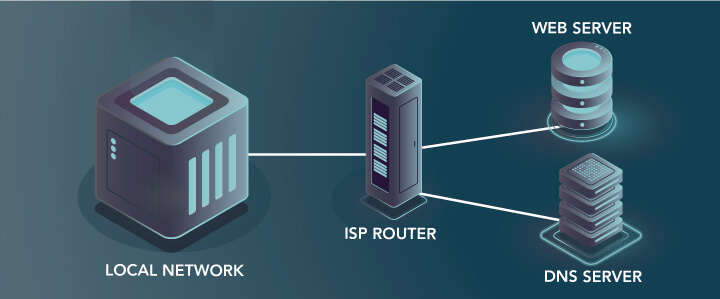
A static IP address is an IP address that is manually assigned to a device by an administrator or network engineer. Once assigned, the address remains constant and does not change unless it is manually updated. Static IP addresses are typically used for devices that require a permanent address, such as servers, routers, and printers.
One of the benefits of using a static IP address is that it is easier to locate and access the device on the network. Static addresses are particularly useful for devices that require remote access, as the device will always be found at the same address. For example, if a company is hosting a website, it would use a static IP address to ensure that the website can always be found at the same address.
However, there are also some disadvantages to using a static IP address. One of the main downsides is that it can be less secure. Hackers can easily identify devices with static IP addresses and target them with attacks. When using a static IP address, network administrators must ensure that they have implemented strong security measures to protect the device.
Dynamic IPv4 Addresses
A dynamic IP address is an IP address that is assigned to a device automatically by a server in the network. Dynamic IP addresses are assigned using a protocol called Dynamic Host Configuration Protocol (DHCP). DHCP servers allocate dynamic IP addresses from a range of available addresses, which means that the IP address of a device can change each time it connects to the network.
Dynamic IP addresses are commonly used for devices that do not require a permanent address, such as laptops, smartphones, and desktop computers. This is because dynamic IP addresses are easy to manage and do not require manual configuration. Because dynamic IP addresses are assigned automatically, they are also useful for networks with a large number of devices, as they reduce the workload of network administrators.
One of the main advantages of using a dynamic IP address is that it enhances internet security. Hackers cannot target devices with dynamic IP addresses, as the address changes regularly. This makes it more difficult for attackers to gain access to a device.
However, dynamic IP addresses can also have some disadvantages. For example, if a device needs to be accessed remotely, it may be difficult to locate the device if the IP address has changed. Additionally, some services, such as online gaming or virtual private networks (VPNs), may require a static IP address to function correctly
In summary, the IPv4 address serves as a unique identifier for every device on a network, enabling them to communicate with each other. It plays a crucial role in routing data packets over the Internet, ensuring that they reach the correct destination.